


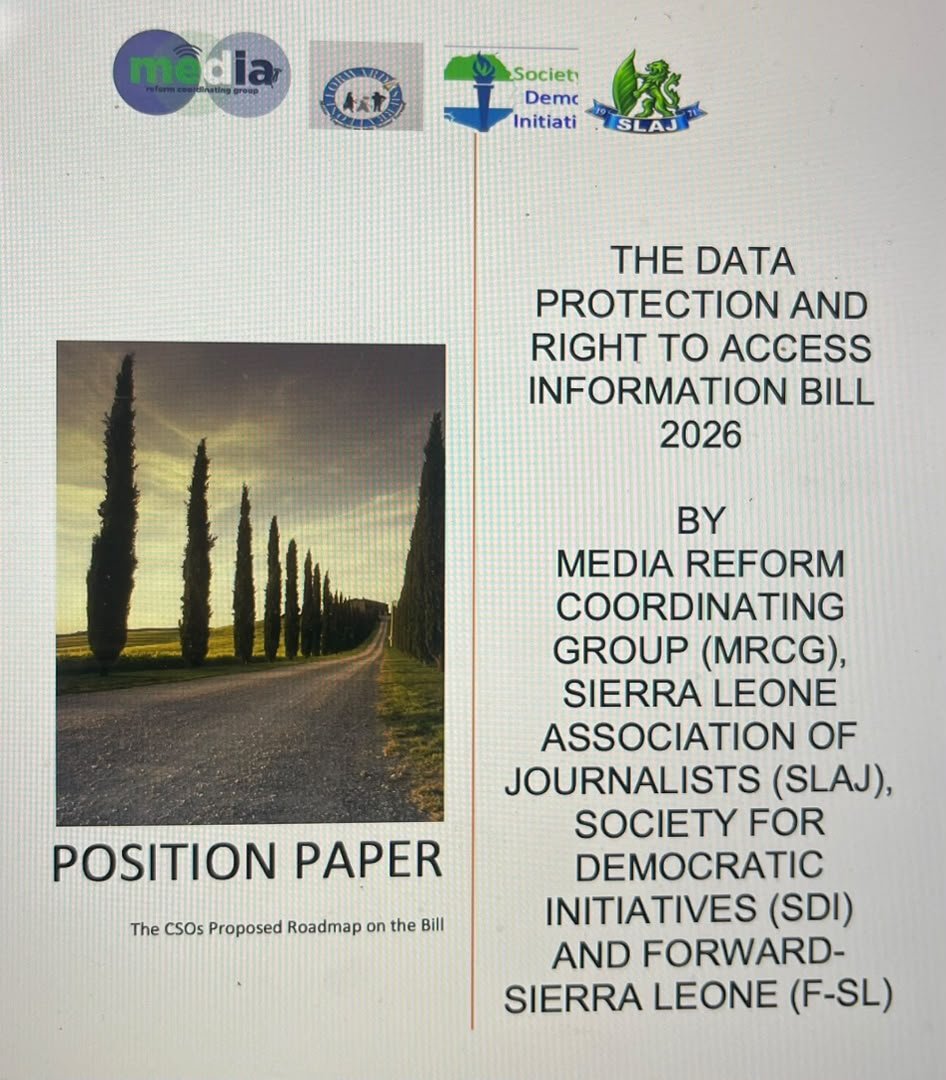
The Data Protection and Right to Access Information Bill 2026 (Gazette Supplement No. 62 of 2 July 2026, laid in Parliament in November 2026) would repeal the 2013 Act (s.92). We commend the government’s efforts to finalise the process for the enactment of a data protection law. The Bill copies much of the 2013 request procedure and exemptions almost word for word. However, it removes or dilutes nearly every provision that made the right enforceable. In short, the right survives on paper while the machinery for enforcing it is dismantled.
Sierra Leone’s Right to Access Information Act 2013 (Act No. 2 of 2013) has been rated by the Centre for Law and Democracy as tied for the fifth strongest access to information law in the world, scoring 124 of 150 points on the global RTI Rating when it was enacted. Its strength did not come from the right of access alone. Many laws declare a right. The 2013 Act stood out because it combined that right with an independent Commission, binding orders, a reversed burden of proof, fixed criminal sanctions, mandatory information officers, whistleblower protection and an appeal to the High Court.
This position paper by the Media Reform Coordinating Group (MRCG), Sierra Leone Association of Journalists (SLAJ), Society for Democratic Initiatives (SDI) and Forward-Sierra Leone (F-SL) compares sections of the two texts, draws on reviews prepared by the Right to Access Information Commission (RAIC), and proffers recommendations Parliament should make before the Bill is enacted.
Leave a Reply